image 1

2026-05-29 Handling Unexpected Situations — When Plans Go Sideways

*Go sideways: 物事は計画通りに進まない

Lesson Plan

  • Lesson Topic: Handling Unexpected Situations
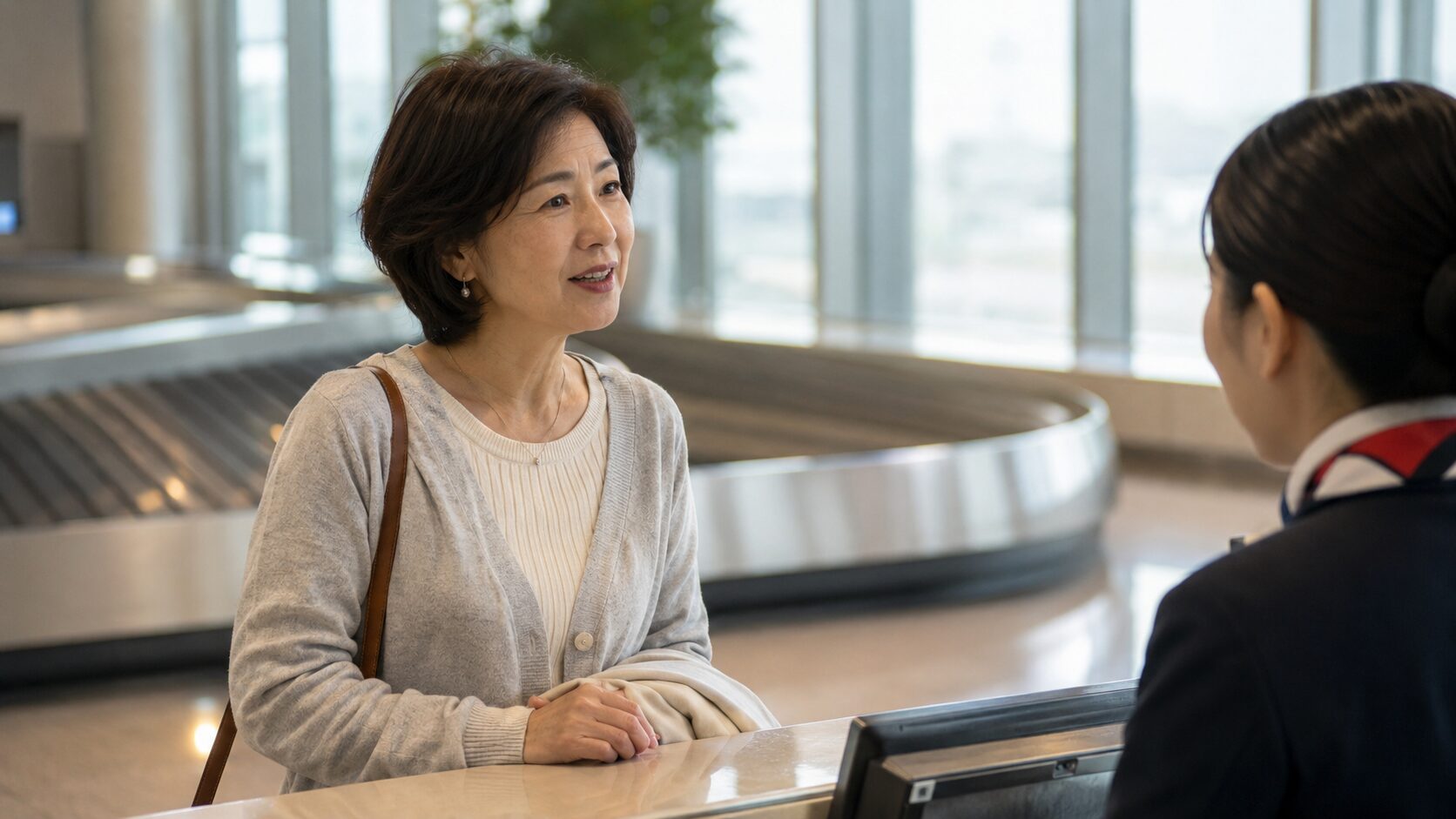
  • What we’ll do: I’ll share a few stories of things going wrong — a lost suitcase, a wrong order at a restaurant, a sudden change of plans — and we’ll practice the English we’d actually use in those moments. We’ll roleplay a few mishaps together and compare how we’d handle them here in Japan versus overseas.
  • Key Phrases: I’m afraid there’s been a mix-up / Excuse me, there seems to be a problem with… / Would it be possible to…? / Could you tell me what my options are? / That’s not quite what I ordered.
  • What to bring: Just yourself and a story of a time something didn’t go to plan.
  • See you Friday!

今回のレッスンでは、旅行や日常で「予想外のこと」が起きたときに使える英語を一緒に練習します。スーツケースが届かない、注文が違っていた、急に予定が変わった――そんな場面で、落ち着いて、丁寧に伝えるためのフレーズを取り上げます。ロールプレイを通して、実際にお店やホテルで話すような感覚で英語を口に出してみましょう。金曜日にお会いできるのを楽しみにしています。

Optional At-Home Activities

  1. Think of one time something unexpected happened to you while traveling. Try to tell the story in English in two minutes — out loud, in front of a mirror or while walking.
  2. Watch a short YouTube clip of an airline customer service interaction (search: “polite complaint English airport”) and notice one phrase the customer uses.

YOU CAN STOP READING NOW. Everything on page 2 is for me.

Similar Posts

  • 2026-06-25 Food Rules for a Healthy Life

    Most of us live by a few small food rules — finish your vegetables, don’t snack after dinner, treat yourself once a week. In Friday’s class we’ll practice the English for them, with Shani from Rice University adding an American perspective.

    「絶対にやめたくない食事のルールは何ですか?」金曜の英会話上級クラスでは、そんな問いをライス大からの留学生と一緒に議論します。cut back on、crave、comfort food、sweet tooth、watch what you eat の5つのフレーズを使います。

  • 2026-07-09 Summer Plans & Travel Stories

    Some trips stay with us for years — not because everything went smoothly, but often because it didn’t. In Friday’s lesson we’ll practice the English that turns a trip into a story someone actually wants to hear: the moment it all went sideways, the meal you still think about, the part you only appreciated later.

    何年たっても心に残っている旅があります。すべてが順調だったからではなく、むしろ思いどおりにいかなかったからこそ覚えている――そんなことも多いものです。金曜日のレッスンでは、旅を「聞いてみたくなる物語」に変える英語を練習します。予定が崩れた瞬間、今でも思い出す一皿、あとになって良さがわかった出来事。そんな話を、自分の言葉で語れるようにしていきましょう。

  • 2026-06-12 Places & Spaces — Painting a Picture in Words

    Everyone has a place that feels different from all the others — a corner of the house, a bench with a view, a shop you’ve visited for thirty years. In Friday’s lesson we’ll practice the English that brings those places to life for a listener, so they can almost see what you see.

    誰にでも、他とは違う特別な場所があります。家の中のお気に入りの一角、眺めのいいベンチ、長年通っているお店。金曜日のレッスンでは、そんな場所を聞き手の頭に浮かぶように英語で伝える練習をします。

  • 2026-07-24 Navigating Service Encounters

    Most of the English we actually use on a trip isn’t about emergencies — it’s the small, ordinary transactions. Ordering a coffee. Asking if something comes in another color. Paying at the counter without freezing up. In Friday’s lesson we’ll practice the natural versions of these moments — the ones a native speaker uses without thinking — and run them until they feel ordinary for us too.

    旅先で実際に使う英語の大半は、緊急事態のための表現ではありません。コーヒーを一杯注文する、別の色はありますかと尋ねる、レジで慌てずに支払いを済ませる。そうした何ということもないやりとりこそが、旅先で使う英語のほとんどを占めています。金曜日のレッスンでは、こうした場面で現地の人が意識せずに使っている自然な言い回しを取り上げ、私たちにとっても当たり前になるまで、繰り返し声に出して練習します。

  • 2026-05-15 A Weekend You Remember

    Some weekends fade into the background. Others stay with us — not because they were extraordinary, but because something about them felt right. This lesson is about finding the words to tell those stories, in order, with the small details that make a memory real.

    どの週末も特別というわけではありません。でも、なぜか心に残る週末があります。今回は、そのような思い出を順番に、小さなディテールを添えて語る練習をします。